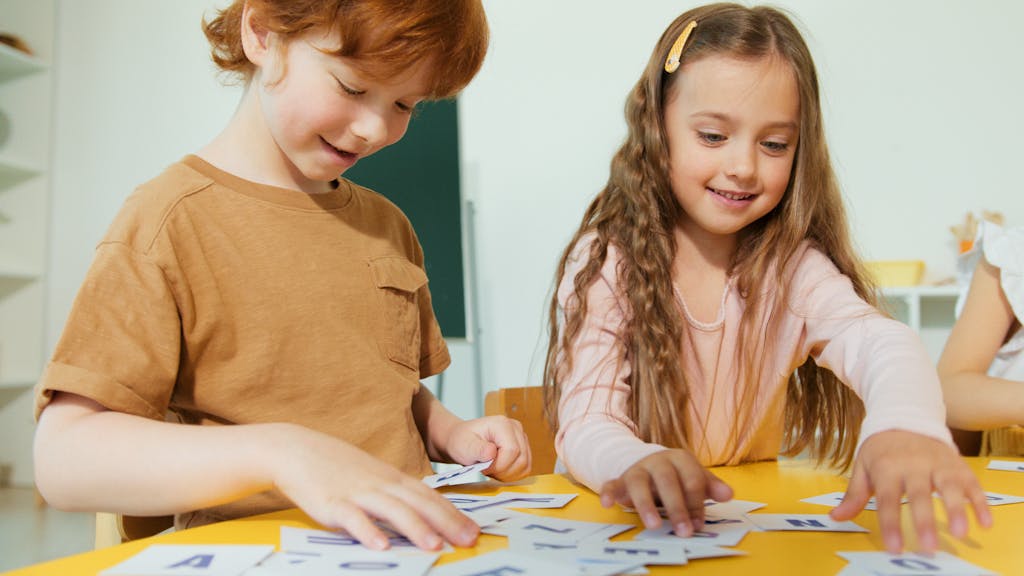
As a former teacher, my passion for education runs deep. So when I became a stay-at-home mom, I knew that fostering a love for learning in my children would be a top priority. One way I’ve tried to engage my boys in learning letters and sounds is by using flashcards. Here’s how to make the most of ABC flashcards for teaching letter recognition and sounds to your little ones.
A Bright Introduction to Literacy
When I first introduced ABC flashcards to my toddlers, I focused on selecting beautiful, engaging cards adorned with familiar pictures. After all, kids learn best when they’re excited about what they’re seeing! The only problem was that I really wanted the flashcards to have a more natural look to them. After searching the internet and stores for flashcards, I decided to make my own. Each card displays uppercase and lowercase letters along with beautiful watercolor illustrations, most of which my boys have seen—perfect for keeping my little ones captivated.
You can find them HERE at TPT or HERE at Etsy! You can also buy them from my shop right here on my blog!
One Card at a Time
There’s several ways you can approach introducing letters, one at a time, a few at a time, or all of them at once. You can even choose uppercase letters only, and then introduce lowercase letters. I like to show my children the whole alphabet when introducing letters, but then I focus on one letter at a time. Repetition is key! With my ABC flashcards, I hold up the card with the letter “Aa”. I introduce the letter name, and I tell them the sound it represents. This letter says “ah”- as in apple, astronaut, and ax.
Real-Life Connections
What I love most about flashcards is that they help my kids connect letters to their everyday world. When we explore the letter “B,” I take them on a little scavenger hunt around the house. “Look over there! What’s that? A ball! Do you see something that starts with the ‘beh’ sound in your pile of stuffed animals? I see a bear!” The pictures on the flashcards are objects that my boys are mostly familiar. And I love to talk about the pictures on the cards with them. We may talk about the boat, what boats we’ve seen in real life, and do we have a toy boat? These simple conversations help my children understand that letters are everywhere, blending learning into the fabric of our daily lives.
Learning Through Play
Education at home doesn’t have to be boring! I’ve turned flashcard time into active games. A favorite has become our “Find the Letter” scavenger hunt, where I hide flashcards around the house and let them seek out the letters. We also do a scavenger hunt where I choose a letter, say “C”, and we go around the house in a timed two or three minutes, then bring our object that starts with the letter “C” back together. Sometimes, we play a matching game where they pair letter cards with items in the room. We play memory with the flashcards and talk about the letters and pictures when we make a match. Another game is when you’re out and about, look around the store or at road signs or at the playground for letters and point out objects that start with various letters! It’s amazing how much they learn when they’re moving and playing—it feels less like a lesson and more like a joyful adventure.
Establishing a Routine
As a former teacher, I understand the value of consistency. That’s why I set aside about 5-10 minutes each day for our flashcard fun. It’s become our little routine, and my kids look forward to it! Does this look the same every day? Certainly not! Sometimes we look at flashcards at breakfast, and other times it’s later in the day as a game. Sometimes I let them choose which card they want to explore, giving them a sense of ownership over their learning experience. The main thing to remember is just add in those few minutes a day.
Engaging with Songs and Rhymes
I don’t know about you but my boys LOVE TO SING. So some days we sing our alphabet song and then I use a simple tune they know, such as Row, Row, Row Your Boat to make up a silly song about the letter. For example:
Letter A, Letter a, makes the sound “ah”. Apple, astronaut and ax, ah, ah, ah, ah, ah
Simple, silly, but repetitive which is very important! Singing along while displaying the cards turns learning into a multisensory experience. The boys get excited to make their own little songs about the letters, and we use the pictures on the flashcards, but they even sing about other things, too!
Fostering Interaction
I encourage my children to engage with the flashcards by asking questions as we go along. Instead of just telling them facts, I ask, “What sound does this letter make?” or “Can you think of another word that starts with this letter?” One thing you can do to extend the flashcards into the home is to grab a few objects beforehand. Then when discussing the card of the day, have your child choose the item that begins with the letter. Another great idea would be to let your child or children “teach” you the letters. Let them be the one to select the letter flashcard and present the letter sounds.
Celebrating Small Wins
Every milestone counts when it comes to learning! Celebrate your child’s small victories, such as recognizing a letter or sound correctly, giving correct examples, or pointing out a letter or object when you’re not home. Use praise and encouragement to boost their confidence. Perhaps a high-five or a little dance together can turn their learning moments into celebrations, motivating them to keep pushing forward!
The Bigger Picture
Learning letters and sounds lays the groundwork for literacy skills that will benefit my children for years to come. It equips them to recognize words, build vocabulary, and develop communication skills. When I was teaching watching my students grow into confident readers and writers is one of the most rewarding experiences I’ve ever had. Now I’m working on doing the same for my children. And it all starts with letters, sounds and environmental print.
The Flexibility of Flashcards
Flashcards are truly an invaluable educational resource. They’re versatile and can be used in various ways, whether for solo practice, group activities, or interactive games. You can use them at home, in the car, or even while waiting in line. You can display them on the wall as an alphabet chart or letter wall. They are a great way to keep your children engaged quietly if you’re in a quiet place. Keep a few cards handy for those unexpected teaching moments.
Conclusion
Using ABC flashcards with my little ones has been so fun! By incorporating interactive elements, real-life connections, and plenty of movement, we’re creating a strong foundation for their literacy skills. As a mother and former teacher, my goal is to inspire a love for learning, and I love to use flashcards to help with this beautiful goal! Here’s to many more joyful adventures in learning ahead! Happy learning to all of you!